Domestic Cleaning in Modern Homes: Practical Strategies for a Healthier, Happier Living Space
Domestic cleaning is more than a weekly chore. It is a practical habit that protects your home, supports your health, and creates a more comfortable lifestyle. Whether you live in a small apartment, a busy family house, or a larger property, domestic cleaning helps keep surfaces hygienic, rooms organized, and daily life easier to manage. In today’s fast-paced world, many households are looking for smarter ways to maintain cleanliness without feeling overwhelmed.
From routine dusting to deep cleaning tasks, domestic cleaning covers every corner of the home. A well-planned cleaning routine can reduce allergens, improve indoor air quality, and make your home feel more welcoming. It also helps prevent buildup that can become harder to handle over time. For many people, domestic cleaning is not just about appearance; it is about comfort, wellbeing, and peace of mind.
As demand for cleaner living environments continues to grow, more homeowners and tenants are paying attention to effective domestic cleaning methods. Some prefer to handle everything themselves, while others choose professional support for time-saving and consistent results. Either way, the goal is the same: a tidy, fresh, and healthy home. When done properly, domestic cleaning can transform the way you experience your space every day.
Why Domestic Cleaning Matters for Every Household
There are many reasons why domestic cleaning should be a priority. First, it helps maintain hygiene by removing dirt, germs, and dust that naturally build up in living spaces. Kitchens, bathrooms, bedrooms, and shared areas all require regular attention to stay clean and safe. Without consistent domestic cleaning, bacteria and allergens can accumulate and affect daily comfort.
Another major benefit is the impact on mental wellbeing. A clean and organized home often feels calmer and more manageable. Clutter and mess can create stress, while tidy surroundings make it easier to relax, focus, and enjoy your time indoors. That is why domestic cleaning is closely linked to a more balanced lifestyle.
Domestic cleaning also protects the condition of your property. Regular care helps preserve flooring, furniture, appliances, and fixtures. By removing grime and preventing buildup, you can extend the life of household items and reduce the need for expensive repairs or replacements. In that sense, cleaning is not only a routine task but also a form of home maintenance.
Core Areas Covered in Domestic Cleaning
Domestic cleaning typically includes a wide range of tasks that keep the whole home in good condition. Some chores are done daily, while others are performed weekly or monthly depending on household needs. Understanding these areas makes it easier to create a realistic cleaning schedule.
Common domestic cleaning tasks include:
- Dusting furniture, shelves, and decorative items
- Vacuuming carpets and rugs
- Mopping hard floors
- Cleaning kitchen surfaces, sinks, and appliances
- Sanitizing bathrooms, toilets, and showers
- Wiping mirrors and glass surfaces
- Emptying bins and replacing liners
- Changing bed linen and refreshing bedrooms
Every home is different, so domestic cleaning routines should be adapted to suit lifestyle, family size, pets, and personal preferences. A household with children, for example, may need more frequent cleaning of floors, high-touch surfaces, and shared rooms. Pet owners may also need to pay extra attention to hair, odors, and upholstery.
How to Build an Effective Domestic Cleaning Routine
A successful domestic cleaning routine starts with consistency. It is usually easier to clean a little every day than to deal with a long list of chores all at once. By dividing tasks into daily, weekly, and monthly categories, you can stay on top of household upkeep without feeling exhausted.
Daily domestic cleaning may include making beds, wiping kitchen counters, loading the dishwasher, sweeping busy areas, and quickly tidying living spaces. These small habits prevent dirt from spreading and keep the home presentable throughout the week. They also reduce the time needed for deeper cleaning sessions.
Weekly domestic cleaning usually covers vacuuming, bathroom cleaning, mopping, dusting, and changing linens. Monthly tasks may include cleaning inside cupboards, washing windows, disinfecting bins, or moving furniture to clean hidden areas. A checklist can make domestic cleaning more structured and less stressful.
Simple Ways to Stay Consistent
Consistency is the secret to effective domestic cleaning. One helpful approach is to assign specific tasks to certain days. For example, you might clean bathrooms on Monday, vacuum on Wednesday, and focus on kitchen cleaning on Friday. This prevents chores from piling up and makes domestic cleaning feel more manageable.
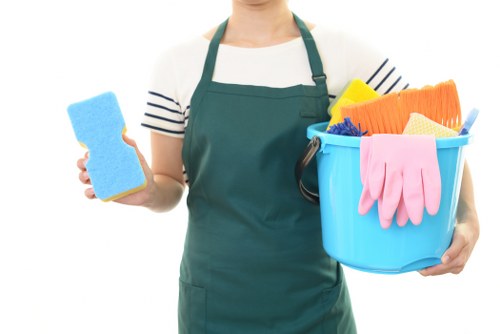
It also helps to keep cleaning supplies organized and easy to access. When tools and products are stored in one convenient place, you are more likely to clean quickly and efficiently. Many households keep a basic caddy with multipurpose cleaner, microfiber cloths, brushes, gloves, and disinfectant wipes ready for use.
Setting a timer can also improve productivity. A focused 15- or 20-minute session can be surprisingly effective when used well. Instead of waiting for the perfect moment, small regular efforts keep domestic cleaning from becoming overwhelming.
Professional Domestic Cleaning vs DIY Cleaning
Many homeowners wonder whether to handle domestic cleaning themselves or hire professional support. Both options have advantages, and the best choice depends on your schedule, budget, and expectations. DIY cleaning gives you full control, while professional domestic cleaning offers expertise, convenience, and a more thorough finish.
Doing your own domestic cleaning can be cost-effective and flexible. You choose the products, timing, and methods that work best for your household. For smaller homes or people who enjoy housekeeping, this can be a practical solution. However, it can also be time-consuming, especially when life gets busy.
Professional domestic cleaning is ideal for households that want regular, reliable results without sacrificing personal time. Trained cleaners use proven methods, quality equipment, and efficient systems to handle tasks more quickly and thoroughly. This can be especially useful for deep cleaning, end-of-tenancy cleaning, or homes that need extra care.
When Professional Help Makes Sense
There are several situations where hiring a domestic cleaning service may be the smarter option:
- When work and family commitments leave little free time
- When preparing for guests or special occasions
- When moving in or moving out of a property
- When deep cleaning is needed after a long period of buildup
- When mobility or health concerns make cleaning difficult
For many households, the ideal solution is a mix of both. Daily upkeep can be handled at home, while professional domestic cleaning is used for heavier or more detailed tasks. This balanced approach often produces the best long-term results.
Room-by-Room Domestic Cleaning Tips
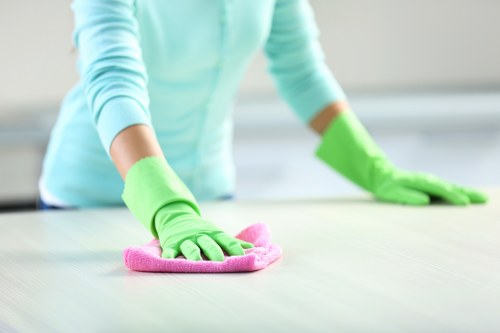
Different rooms have different cleaning needs, and understanding those differences makes domestic cleaning more effective. A room-by-room approach ensures that no area is overlooked and that each part of the house gets the right type of attention.
Kitchen Cleaning
The kitchen is one of the most important areas in domestic cleaning because it is used for food preparation and storage. Wipe down countertops daily, clean the sink, and remove crumbs from cabinets and appliances. Pay special attention to the stove, microwave, refrigerator handles, and cutting areas. Regular kitchen domestic cleaning helps reduce odors, grease, and food contamination.
Bathroom Cleaning
Bathrooms need frequent domestic cleaning to maintain hygiene. Clean sinks, toilets, taps, mirrors, and shower areas regularly. Use appropriate disinfectants to remove soap scum, limescale, and bacteria. Good ventilation also matters, as it helps prevent mold and dampness. A fresh bathroom can make a noticeable difference to the overall feeling of the home.
Living Room Cleaning
Living rooms often collect dust, pet hair, and everyday clutter. Vacuum carpets and upholstery, dust shelves, and wipe down remote controls, tables, and handles. Because this room is often used by the whole household, domestic cleaning here should focus on comfort and presentation. A tidy living room can make your entire home look more polished.
Bedroom Cleaning
Bedrooms should feel restful, clean, and clutter-free. Change bed linen regularly, dust surfaces, vacuum floors, and organize clothing and personal items. Domestic cleaning in bedrooms should also include under-bed spaces and other hidden areas where dust can gather. Clean bedrooms support better sleep and relaxation.
Hallways, staircases, and entryways should not be ignored either. These high-traffic zones quickly collect dirt and should be included in your domestic cleaning schedule. Keeping these areas clear and clean creates a welcoming first impression for anyone entering the home.
Choosing the Right Cleaning Products and Tools
Using the right products is an important part of successful domestic cleaning. Not every surface should be cleaned the same way, and the wrong product can damage materials or reduce effectiveness. For example, wood, glass, stainless steel, tile, and fabric all require different care.
Many households prefer multipurpose cleaners for general domestic cleaning because they are convenient and practical. Microfiber cloths are also highly effective since they trap dust and reduce streaking. For bathrooms and kitchens, stronger disinfecting products may be useful in areas where hygiene is especially important.
It is also worth considering eco-friendly domestic cleaning products. These solutions are often chosen by families who want to reduce harsh chemical exposure while still achieving a clean home. Natural ingredients such as vinegar, baking soda, and lemon can also be used for certain tasks, although they may not replace stronger disinfectants in every situation.
Essential Tools for Better Results
A well-prepared cleaning kit can improve efficiency and results. Useful tools often include:
- Microfiber cloths
- Vacuum cleaner
- Mop and bucket
- Scrub brushes
- Spray bottles
- Rubber gloves
- Dustpan and brush
- Sponges and scouring pads
Having these items ready makes domestic cleaning faster and helps you move from one task to the next without interruption. Organization is often just as important as effort.
Deep Cleaning and Why It Matters
While routine domestic cleaning keeps a home tidy day to day, deep cleaning handles the more detailed work that accumulates over time. This includes areas that are often missed during regular cleaning, such as behind appliances, under furniture, around skirting boards, and inside cabinets. Deep domestic cleaning is essential for keeping a property truly fresh.
Deep cleaning is usually needed seasonally or at specific times of the year. It can also be useful before moving into a new property, after renovations, or when the home has been neglected for a while. This type of domestic cleaning supports long-term cleanliness by addressing buildup before it becomes a bigger problem.
Examples of deep domestic cleaning tasks:
- Cleaning behind and beneath heavy furniture
- Washing walls, doors, and trim
- Cleaning inside ovens, fridges, and cupboards
- Descaling bathroom fixtures
- Shampooing carpets or upholstery
Deep cleaning takes more time and effort, but the results can be highly rewarding. It refreshes the entire home and makes routine cleaning easier afterward.
Domestic Cleaning for Busy Lifestyles
Busy households often struggle to keep up with domestic cleaning, especially when work, school, travel, and family responsibilities compete for attention. In these cases, the key is to simplify the process rather than try to do everything at once. A realistic schedule is more effective than a perfect one that never gets used.
One practical approach is to focus on high-impact areas first. Kitchens, bathrooms, and entryways usually require the most attention because they are used frequently and affect the home’s appearance and hygiene the most. Once these areas are under control, domestic cleaning becomes easier to maintain in the rest of the property.
Time-saving techniques can also help. Keep cleaning wipes in key rooms, clean as you go while cooking, and encourage household members to put things back after use. Small habits like these make domestic cleaning much less time-consuming over the long run.
Easy Time-Saving Habits
Here are a few small routines that can make a big difference:
- Do a quick five-minute tidy before bed
- Wipe spills immediately instead of waiting
- Sort laundry regularly to avoid pileups
- Keep cleaning supplies in the rooms where they are used most
- Declutter one small area at a time
These habits reduce the workload and make domestic cleaning feel less like a burden. Over time, they create a cleaner and more organized home with less effort.
Health Benefits of Regular Domestic Cleaning
Domestic cleaning has a strong connection to household health. Dust, mold, pet dander, and bacteria can all affect indoor air quality and trigger allergies or irritation. Regular cleaning removes many of these problems before they build up. This is especially important for families with children, older adults, or people with respiratory sensitivities.
Clean homes are also easier to sanitize during cold and flu seasons. High-touch surfaces such as door handles, switches, counters, and bathroom fixtures can carry germs if they are not cleaned regularly. Domestic cleaning supports a more hygienic environment and can help reduce the spread of unwanted bacteria.
Good domestic cleaning habits can support:
- Reduced allergens and dust
- Better indoor air quality
- Lower risk of mold and damp buildup
- Improved general hygiene
- A more comfortable living environment
For many households, these benefits make domestic cleaning an essential part of everyday life rather than a luxury.
Creating a Cleaner Home Environment Over Time
One of the best things about domestic cleaning is that it compounds over time. The more regularly you clean, the easier it becomes to maintain your home. Surfaces stay cleaner for longer, clutter is easier to manage, and major cleaning jobs become less frequent. This creates a cycle of comfort and control that benefits the whole household.
Good domestic cleaning is also easier when everyone contributes. Shared responsibility can make a significant difference in family homes. Children can help with simple age-appropriate tasks, while adults can focus on heavier or more technical cleaning work. Teamwork helps make domestic cleaning a normal part of life rather than one person’s job.
Ultimately, a clean home is not achieved through one big effort but through steady habits. That is why domestic cleaning remains one of the most valuable household routines. It protects your space, improves everyday living, and supports both physical and mental wellbeing.
Final Thoughts on Domestic Cleaning
Domestic cleaning is about much more than keeping rooms neat. It is a practical way to create a healthier, more comfortable, and more enjoyable home. Whether you handle it yourself or use professional support, a regular cleaning routine makes a real difference. From kitchens and bathrooms to living rooms and bedrooms, every area benefits from thoughtful attention.
If you want your home to feel fresher, function better, and stay more organized, now is the time to take domestic cleaning seriously. Start small, stay consistent, and focus on the areas that matter most. For households looking for a cleaner living environment with less stress, book your service now or contact us today to take the next step toward a spotless home.