Office Cleaning in Modern Workplaces: Creating Healthier, Safer, and More Productive Spaces
Office cleaning is more than a routine task; it is a strategic part of maintaining a workplace that feels professional, supports employee well-being, and leaves the right impression on clients and visitors. In today’s business environment, the condition of an office can affect productivity, morale, and even brand reputation. Whether you manage a small startup, a corporate headquarters, or a shared workspace, investing in office cleaning helps create a cleaner, healthier, and more organized environment.
Professional office cleaning services are designed to handle the unique demands of work environments. Unlike residential cleaning, office cleaning often requires attention to high-traffic areas, shared equipment, washrooms, meeting rooms, reception spaces, and kitchens. These spaces need consistent care to reduce germs, minimize clutter, and maintain a polished appearance. A well-maintained office can also support better focus and reduce the stress that comes from working in a messy or dusty setting.
As more organizations prioritize health, hygiene, and sustainability, office cleaning has become even more important. Businesses want cleaning solutions that are thorough, efficient, and aligned with their values. From daily janitorial work to periodic deep cleaning, office cleaning can be tailored to the size, schedule, and needs of each workplace. The result is a space that functions better and feels better for everyone who uses it.
Why Office Cleaning Matters for Every Workplace

Office cleaning plays a direct role in creating a workplace that supports efficiency and professionalism. When desks, floors, restrooms, and shared areas are cleaned regularly, employees are less likely to be distracted by dirt, unpleasant odors, or clutter. Clean surroundings help people concentrate, communicate better, and feel more comfortable throughout the day.
Beyond appearance, office cleaning supports health and safety. Shared workplaces can quickly accumulate dust, bacteria, and allergens on surfaces that are touched frequently. Door handles, keyboards, counters, and breakroom tables can all become sources of contamination if they are not cleaned properly. Regular office cleaning helps reduce these risks and contributes to a more hygienic environment.
First impressions matter in business. A spotless reception area, fresh-smelling conference room, and neat workspace send a strong message about professionalism and care. Clients, partners, and job candidates often notice the condition of an office immediately. Clean offices suggest attention to detail, organization, and respect for the people who enter the space.
Core Services Included in Office Cleaning
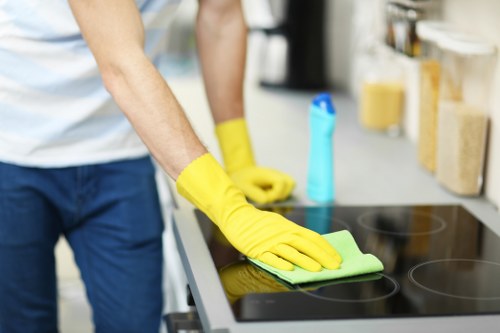
Office cleaning covers a wide range of tasks, and the exact service plan may vary depending on the workplace. However, most office cleaning programs include a combination of general cleaning, disinfection, waste removal, and floor care. These tasks are often scheduled daily, weekly, or monthly based on the office’s size and usage.
Typical office cleaning services include:
- Dusting desks, shelves, and common surfaces
- Vacuuming carpets and mopping hard floors
- Cleaning and disinfecting bathrooms
- Emptying trash and recycling bins
- Wiping down kitchen and breakroom areas
- Cleaning glass doors and interior windows
- Sanitizing high-touch points such as handles and switches
- Maintaining reception areas and meeting rooms
Some businesses also choose specialized office cleaning for tasks like upholstery cleaning, floor polishing, or deep cleaning of neglected areas. This is especially useful in offices with heavy foot traffic or employees who work closely together.
How Office Cleaning Supports Employee Productivity
A cleaner workspace creates a better work environment
There is a strong connection between office cleaning and productivity. Employees are more likely to stay focused when their work environment is organized and hygienic. Messy desks, overflowing bins, and dusty surfaces can create mental clutter that makes it harder to concentrate. By contrast, a clean office promotes calm, structure, and efficiency.
Office cleaning also helps reduce the spread of illness. When shared surfaces are cleaned regularly, fewer germs linger in the workspace. This can lead to fewer sick days and better continuity for teams that depend on one another. In many cases, businesses notice that a clean office helps employees feel more valued and supported, which can improve morale over time.
Another benefit of office cleaning is time savings. When employees are not distracted by cleaning up communal areas or dealing with dirty facilities, they can devote more energy to their actual responsibilities. That means the business gains not only a cleaner office but also a more effective team.
The connection between cleanliness and performance
Office cleaning may seem simple, but it has a measurable impact on how people work. Clean desks, organized meeting spaces, and fresh air contribute to clearer thinking and better collaboration. This is particularly important in fast-paced environments where every minute counts.
Office Cleaning for Health, Hygiene, and Safety
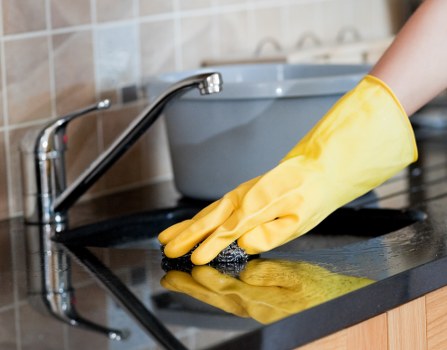
Health and hygiene are two of the biggest reasons businesses invest in office cleaning. Offices are shared spaces, and that means bacteria and viruses can spread quickly if surfaces are not cleaned and disinfected consistently. High-touch areas deserve special attention because they are used repeatedly throughout the day.
Regular office cleaning helps maintain a healthier environment by removing dust, allergens, and debris that may affect breathing or trigger sensitivities. For employees with allergies or respiratory concerns, a clean office can make a noticeable difference. Fresh carpets, dust-free vents, and sanitized surfaces all contribute to a more comfortable workplace.
Safety is another important factor. Spills, loose debris, and clutter can cause slips, trips, and falls. A consistent office cleaning routine helps reduce these hazards. Hallways remain clear, floors stay dry and tidy, and emergency exits are easier to access. In this way, office cleaning supports not only hygiene but also workplace safety standards.
Key hygiene priorities in office cleaning
- Disinfecting shared touchpoints
- Cleaning washrooms thoroughly and frequently
- Managing waste and recycling properly
- Reducing dust buildup in corners, vents, and under furniture
- Keeping kitchens and lunch areas sanitary
Choosing the Right Office Cleaning Schedule
Every workplace has different cleaning needs, so the right office cleaning schedule depends on the size of the office, number of employees, type of work performed, and how often visitors come through. A busy office with constant foot traffic may need daily cleaning, while a smaller office may only require service a few times per week.
Many businesses use a combination of routine cleaning and periodic deep cleaning. Routine office cleaning handles the essentials, such as trash removal, floor care, and restroom maintenance. Deep cleaning addresses areas that are not cleaned as often, including behind furniture, inside cabinets, ventilation grilles, and detailed fixture cleaning. Together, these services help maintain a consistently high standard.
A flexible cleaning plan works best for most offices. It allows businesses to adapt as their needs change. For example, if the office is hosting more clients, launching a new project, or expanding staff, the cleaning schedule can be adjusted accordingly. This keeps the office looking its best without unnecessary disruption.
Common office cleaning frequencies
- Daily: trash removal, restroom cleaning, floor maintenance, and touchpoint disinfection
- Weekly: dusting, detailed surface cleaning, kitchen maintenance, and glass care
- Monthly: deeper sanitizing, detailed floor treatment, and overlooked area cleaning
- Seasonally: carpet shampooing, upholstery care, and intensive office cleaning
What Makes Professional Office Cleaning Different

Professional office cleaning goes far beyond wiping surfaces and emptying bins. Experienced cleaners understand how to work efficiently in commercial environments, follow cleaning protocols, and use the right tools for different materials. This level of expertise helps protect office furniture, flooring, electronics, and fixtures while delivering consistently high results.
One of the biggest differences is attention to detail. Professional office cleaning services are trained to notice the areas that are often overlooked, such as baseboards, light switches, chair arms, and corners where dust tends to collect. They also know how to clean high-touch areas safely and effectively without disrupting daily business operations.
Professional cleaners often use commercial-grade products and equipment that are more effective than standard household supplies. This can include HEPA-filter vacuums, microfiber systems, and eco-conscious cleaning solutions. The right equipment improves efficiency and helps achieve a deeper level of office cleaning.
Benefits of hiring trained office cleaners
- Consistent results
- Better hygiene in shared spaces
- Improved time management for employees
- Access to specialized tools and techniques
- Reduced wear and damage to office surfaces
Eco-Friendly Office Cleaning Practices
Many businesses now seek office cleaning solutions that are safer for the environment and healthier for employees. Eco-friendly office cleaning focuses on reducing harsh chemicals, minimizing waste, and using products that are more sustainable. This approach supports corporate responsibility while still maintaining a high standard of cleanliness.
Green office cleaning may involve biodegradable products, reusable microfiber cloths, low-water cleaning methods, and equipment designed to conserve energy. These choices can help reduce the office’s environmental footprint while still keeping the workspace clean and presentable. In offices where air quality matters, eco-friendly products can also be a smart choice because they often contain fewer strong odors or irritating residues.
Sustainability and cleanliness can work hand in hand. Businesses that prioritize eco-friendly office cleaning often find that employees appreciate the healthier atmosphere and the company’s commitment to responsible practices. Clean spaces do not have to come at the expense of sustainability.
Green cleaning advantages
- Improved indoor air quality
- Reduced exposure to harsh chemicals
- Lower environmental impact
- Better alignment with sustainability goals
- Safer cleaning around sensitive equipment and surfaces
Office Cleaning Tips for Better Daily Maintenance

Even with professional office cleaning in place, simple daily habits can help keep the workplace in better condition between services. Encouraging employees to stay mindful of cleanliness makes it easier to maintain a tidy and functional office. Small actions add up and can extend the results of regular cleaning.
One helpful approach is to create shared cleaning expectations. Employees can be encouraged to clear personal clutter, wipe down their desks, and clean up after using breakroom appliances. Conference rooms should be left in order after meetings, and shared items should be returned to their proper places. These habits support the overall office cleaning process and help the space stay organized.
Storage also plays an important role. Offices with enough cabinets, shelves, and filing solutions are easier to maintain than cluttered spaces with no designated place for supplies or documents. By keeping items organized, businesses make office cleaning faster and more effective.
Simple habits that support office cleaning
- Keep desks clear of unnecessary items
- Dispose of trash before it overflows
- Clean spills immediately
- Store food in designated areas
- Encourage employees to tidy shared spaces after use
Office Cleaning in Different Types of Workplaces
Office cleaning needs can vary widely depending on the type of workplace. A law firm, medical office, creative studio, and tech startup each have different priorities. Understanding those differences helps businesses choose a cleaning plan that matches their operations.
In client-facing offices, appearance may be the top priority. Reception areas, meeting rooms, and restrooms must always look polished and professional. In collaborative workspaces, hygiene and organization may matter more because shared desks, equipment, and communal spaces are used frequently. Offices with sensitive equipment or confidential documents may require special care to avoid disruption.
For growing businesses, office cleaning should also be scalable. As staff numbers increase and more areas are used, cleaning requirements become more demanding. A good office cleaning plan evolves with the company instead of staying fixed in one format.
Examples of workplace-specific needs
- Corporate offices: polished common areas and regular floor maintenance
- Medical offices: strict sanitizing and hygiene protocols
- Shared workspaces: frequent cleaning of communal desks and equipment
- Creative studios: dust control and organization around materials
- Small offices: flexible cleaning schedules and efficient service
How to Evaluate Office Cleaning Quality
Quality office cleaning should be visible and consistent. The most obvious signs include clean floors, fresh restrooms, tidy workstations, and well-maintained shared areas. But beyond what the eye can see, quality also shows up in the reliability of the service and the attention given to details.
Businesses should look for office cleaning that is thorough but unobtrusive. Cleaning should happen efficiently and with minimal disruption to operations. It should also be tailored to the specific office layout and usage patterns. If a company has a busy lunchroom, for example, that area may need more frequent attention than a storage room or low-traffic hallway.
Another sign of good office cleaning is consistency over time. The same areas should stay clean from one visit to the next, and standards should remain steady. This kind of reliability helps businesses trust that their workspace is being properly cared for.
What to look for in office cleaning results
- No visible dust on commonly used surfaces
- Clean and stocked restrooms
- Fresh-smelling breakrooms and meeting spaces
- Floors that are free of debris and stains
- Orderly reception and common areas
Why Office Cleaning Is a Smart Business Investment
Office cleaning should be viewed as an investment rather than an expense. A clean office contributes to better employee satisfaction, stronger visitor impressions, improved safety, and a healthier work environment. These benefits can influence productivity and even support long-term business growth.
When a workplace is properly maintained, furniture and flooring may also last longer because dirt and grime do not build up as quickly. That can reduce replacement costs and help preserve the office’s professional appearance. In this sense, office cleaning supports both day-to-day operations and long-term cost management.
Businesses that take office cleaning seriously often enjoy a more positive workplace culture. Employees feel that their environment matters, clients notice the professionalism, and leaders gain peace of mind knowing that the office is cared for properly. Book your service now if you want your office to reflect the standards of your business every single day.
Whether you need routine maintenance, deep sanitation, or a customized cleaning plan, office cleaning helps your workplace perform at its best. Contact us today to keep your business space clean, welcoming, and ready for success.