Regular Cleaning in Modern Living: Why Consistent Cleaning Matters for Homes and Businesses
Regular cleaning is one of the simplest ways to protect health, improve comfort, and keep spaces looking their best. Whether you manage a busy household, a small office, a retail store, or a shared building, regular cleaning plays a major role in daily life. It reduces clutter, supports hygiene, and creates an environment that feels organized and welcoming. In many cases, the difference between a stressful space and a calm one comes down to how consistently cleaning is done.
People often think of cleaning as an occasional task, but regular cleaning is much more effective than waiting until dirt and grime build up. When maintenance is performed on a steady schedule, surfaces stay cleaner for longer, odors are minimized, and deep cleaning becomes easier. This is why more homeowners and property managers are investing in routine upkeep instead of only reacting when messes become noticeable.
From kitchens and bathrooms to offices and common areas, the value of regular cleaning extends beyond appearances. It supports better air quality, limits the spread of germs, and helps materials last longer. If you want a cleaner, healthier, and more efficient environment, building a reliable cleaning routine is a smart and practical choice.
The Importance of Regular Cleaning in Everyday Spaces
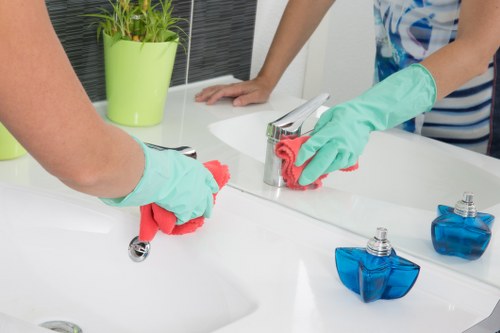
Regular cleaning is important because it prevents small problems from turning into bigger ones. Dust accumulation, sticky residues, and hidden debris can quickly affect the way a room looks and feels. Over time, these issues can also contribute to wear and tear on furniture, floors, appliances, and fixtures. A consistent cleaning routine helps reduce damage and supports long-term property care.
Health is another major reason people prioritize regular cleaning. Dust, pollen, pet dander, bacteria, and mold spores can collect in indoor spaces and trigger allergies or respiratory discomfort. By keeping up with frequent dusting, vacuuming, mopping, and disinfecting, you create a safer and more comfortable environment for everyone who uses the space.
Regular cleaning also improves the atmosphere of a room. A fresh, tidy environment promotes focus, relaxation, and confidence. This is especially valuable in offices, waiting rooms, stores, and shared spaces where first impressions matter. Clean surroundings quietly communicate care, professionalism, and attention to detail.
How Consistent Cleaning Protects Surfaces
Surfaces are constantly exposed to dust, spills, oils, and everyday contact. Without regular cleaning, grime can become harder to remove and may eventually damage finishes. For example, neglecting kitchen counters can lead to staining, while ignoring bathroom moisture can encourage mold growth. Routine maintenance helps protect the materials in your space and can extend their lifespan.
Cleaning schedules are especially useful for high-traffic areas. Entryways, hallways, break rooms, and shared desks tend to collect dirt faster than other areas. Focusing on these spots during regular cleaning prevents buildup and keeps the entire space looking more polished. Small, frequent efforts often save time and money later.
Why small habits make a big difference
Simple habits like wiping spills immediately, dusting weekly, and emptying trash bins regularly can dramatically improve cleanliness. These tasks take only a few minutes, but they reduce the need for heavy scrubbing later. In other words, regular cleaning creates a practical system that keeps spaces under control rather than allowing mess to grow unchecked.
Health Benefits of Regular Cleaning
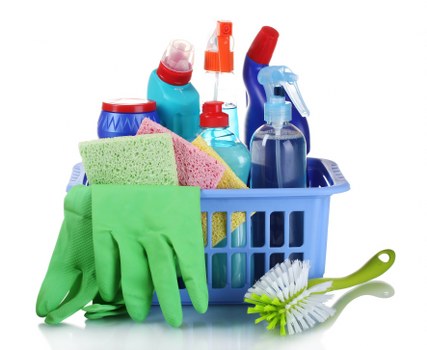
One of the strongest reasons to maintain regular cleaning is the positive effect on health. Indoor spaces can harbor contaminants that affect breathing, skin, and overall well-being. Regular dust removal, surface sanitation, and floor maintenance help reduce exposure to these irritants. This is especially important in homes with children, seniors, or people with allergies.
Bathrooms and kitchens require particular attention because they are more likely to collect bacteria and moisture. Regular cleaning in these areas helps prevent unpleasant odors and reduces the chance of harmful buildup. When counters, sinks, toilets, and appliances are cleaned consistently, the entire space becomes safer and more pleasant to use.
Clean spaces may also support better mental health. Many people feel less stressed and more in control when their surroundings are neat and orderly. A clutter-free environment can make daily tasks easier and encourage better routines. For this reason, regular cleaning is not only about hygiene; it is also about creating a more balanced lifestyle.
Reducing allergens and airborne particles
Dust and allergens can settle on floors, upholstery, curtains, and vents. Over time, these particles circulate through the air and affect indoor comfort. Vacuuming with a high-quality filter, dusting shelves, and washing fabrics on a regular basis can reduce these particles significantly. For households and workplaces alike, this is an important part of maintaining indoor wellness.
Air quality is often overlooked, but it has a real impact on how people feel throughout the day. Regular cleaning helps remove the sources of stale odors and airborne debris, making rooms feel fresher. If you or your team notice sneezing, coughing, or eye irritation more often indoors, it may be a sign that your cleaning routine needs more consistency.
Practical areas that need routine attention
- Door handles and light switches
- Kitchen counters and sink areas
- Bathroom fixtures and mirrors
- Vacuumed carpets and rugs
- Office desks and shared equipment
These touchpoints collect germs quickly and should be part of any regular cleaning schedule. Even when they appear clean, they can still carry invisible buildup that affects overall hygiene.
Regular Cleaning for Homes: Creating a Comfortable Living Space
In homes, regular cleaning helps maintain order and peace of mind. Life gets busy, and it is easy for dishes, laundry, and miscellaneous items to pile up. A steady cleaning routine keeps chaos from taking over and makes it easier to enjoy your home without constant stress. Instead of spending entire weekends catching up, you can stay on top of household tasks in manageable steps.
Many homeowners find that regular cleaning improves the way rooms function. A kitchen with clear counters is more efficient for cooking. A tidy living room is more inviting for family time or guests. A clean bedroom supports better rest. These everyday benefits make routine cleaning worth the effort, even when the tasks themselves seem small.
Regular cleaning also helps preserve the value of your home. Floors, upholstery, tiles, and fixtures last longer when they are cared for properly. Stains are less likely to set, odors are easier to prevent, and surfaces remain attractive for years. That kind of upkeep matters whether you plan to stay long-term or eventually sell the property.
Smart home cleaning habits
Building a routine does not have to be complicated. A simple schedule can make regular cleaning feel much more achievable. For example, you might dust on Mondays, vacuum midweek, and deep-clean bathrooms on weekends. The key is consistency, not perfection. Even a short daily reset can dramatically improve the look and feel of a home.
- Put items back in their place after use.
- Clean spills as soon as they happen.
- Use baskets or organizers to reduce clutter.
- Rotate chores across the week to avoid overwhelm.
- Set reminders for laundry, trash, and floor care.
Regular cleaning becomes easier when everyone in the household participates. Shared responsibility can prevent one person from carrying the full burden and helps the home stay tidy throughout the week. This teamwork approach often leads to better long-term habits.
Why kitchens and bathrooms need extra attention
Kitchens and bathrooms are two of the most used rooms in any home, and they are also the most likely to develop hygiene issues. Grease, food residue, soap scum, and moisture can quickly build up in these spaces. Regular cleaning prevents these problems from spreading and keeps the areas safe and presentable.
In the kitchen, wiping appliances, disinfecting counters, and cleaning sinks should be part of the normal routine. In the bathroom, scrubbing toilets, tubs, and tile helps reduce bacteria and mold. A little effort on a regular basis can prevent much larger cleaning jobs later.
Regular Cleaning in Workplaces and Commercial Settings
Businesses benefit greatly from regular cleaning because it affects both performance and perception. Employees work better in clean surroundings, and customers are more likely to trust businesses that look well maintained. Whether it is an office, clinic, retail store, or shared facility, cleanliness influences how people experience the space from the moment they walk in.
In workplaces, regular cleaning supports productivity. Cluttered desks, dusty surfaces, and messy common areas can distract staff and create unnecessary stress. When spaces are cleaned consistently, employees can focus more easily and feel more comfortable throughout the day. A neat setting also reinforces a professional culture.
For customer-facing businesses, regular cleaning is a direct part of brand reputation. Clean floors, fresh restrooms, and tidy counters communicate reliability and care. On the other hand, dust, spills, and odors can quickly create a negative impression. Because competition is so strong in many industries, regular cleaning can be a subtle but powerful advantage.
High-traffic areas and shared spaces
Commercial properties often have high-traffic zones that require extra attention. Lobbies, meeting rooms, restrooms, elevators, and break areas can become dirty faster than private rooms. These areas should be part of a structured cleaning schedule so they stay sanitary and inviting. Routine cleaning can also reduce maintenance costs by protecting carpets, upholstery, and flooring.
- Reception areas should be dusted and vacuumed frequently.
- Restrooms should be sanitized several times per day in busy locations.
- Break rooms need surface cleaning to prevent food buildup.
- Conference rooms benefit from regular disinfection of touchpoints.
- Entryways should be kept clear of dirt and debris.
When businesses invest in regular cleaning, they create safer and more efficient environments for both staff and visitors. It is one of the simplest ways to improve day-to-day operations without major disruption.
Professional standards and consistency
Commercial cleaning is often measured by consistency. A space may look clean one day and neglected the next if there is no routine in place. Establishing clear cleaning expectations helps maintain a higher standard across the entire property. This is especially important for businesses that want to create a lasting sense of trust and professionalism.
Regular cleaning should always include visible areas and overlooked spots. Behind furniture, under equipment, and around fixtures are common places where dust and debris hide. Addressing these spaces consistently creates a more complete result and keeps the building in better condition overall.
How to Build an Effective Regular Cleaning Routine

Creating a strong routine starts with understanding what your space needs most. Every home or business is different, so regular cleaning should be tailored to usage, traffic, and priorities. A kitchen used daily needs a different schedule than a guest room or storage area. The best routine is one that is realistic, repeatable, and easy to follow.
Start by dividing tasks into daily, weekly, and monthly categories. Daily tasks may include wiping surfaces, sweeping floors, and taking out trash. Weekly tasks may involve vacuuming, mopping, and cleaning bathrooms. Monthly tasks can include windows, vents, baseboards, and deeper disinfection. This structure makes regular cleaning feel more organized and manageable.
One useful tip is to focus on prevention. If you reduce clutter, limit spills, and clean as you go, the rest of your routine becomes simpler. For example, rinsing dishes immediately or wiping a shower after use can prevent buildup before it starts. These small actions support a more efficient cleaning schedule over time.
Tools and supplies that make cleaning easier
Having the right supplies on hand can make regular cleaning faster and more effective. Basic tools such as microfiber cloths, a vacuum cleaner, mop, disinfectant, all-purpose cleaner, and gloves are often enough for most spaces. For specialized surfaces, choose products that match the material to avoid damage.
Organization also matters. Keeping supplies in one accessible location saves time and helps cleaning happen more often. If you have to search for products every time you clean, the routine becomes harder to maintain. A simple cleaning caddy or supply cabinet can make a big difference in consistency.
Tips for staying consistent
- Set specific cleaning days and times.
- Use checklists for recurring tasks.
- Break large jobs into smaller actions.
- Keep supplies visible and easy to reach.
- Reward progress to maintain motivation.
Consistency is the heart of regular cleaning. It is not about doing everything at once; it is about creating habits that keep your space in good condition week after week. If you need support, book your service now and make your routine easier to maintain.
When to consider extra help
Sometimes a space requires more attention than a regular routine can provide. After renovations, seasonal changes, or periods of heavy use, a deeper reset may be necessary. In those moments, professional support can save time and ensure important areas are not overlooked. Contact us today if your space needs a cleaner, more reliable maintenance plan.
Why Regular Cleaning Supports Long-Term Savings
Many people think cleaning is only about appearance, but regular cleaning can also save money over time. Dirt, moisture, and buildup can shorten the life of carpets, appliances, furniture, and fixtures. By cleaning consistently, you help prevent costly repairs and replacements. This makes regular cleaning a practical investment rather than just an expense.
For businesses, the savings can be even more noticeable. Well-maintained spaces often require fewer emergency fixes and less frequent restorative work. Clean floors last longer. Sanitized surfaces resist damage. Proper upkeep helps everything function as intended. In this way, regular cleaning supports both appearance and operational efficiency.
There is also value in preserving time. A space that is cleaned regularly is easier to maintain than one that has been neglected. That means less labor, fewer headaches, and more predictable routines. Whether you are managing one room or an entire building, regular cleaning reduces the burden of major catch-up work.
Common mistakes to avoid
Even with good intentions, some people make cleaning harder than it needs to be. Avoiding a few common mistakes can help your regular cleaning routine work better.
- Waiting too long between cleaning sessions
- Using the wrong product on delicate surfaces
- Ignoring hidden or hard-to-reach areas
- Trying to clean everything at once
- Skipping maintenance because the space looks “fine”
Regular cleaning works best when it is steady, practical, and proactive. Small, repeated efforts produce better results than occasional intense scrubbing. That approach keeps your space cleaner and helps you avoid unnecessary wear and stress.
Making cleanliness part of your routine
The most effective cleaning routines become part of daily life. When cleaning is treated as a normal habit instead of a special event, your environment naturally stays healthier and more pleasant. This shift in mindset is one of the biggest reasons regular cleaning is so valuable. It brings order, comfort, and confidence into the spaces where you live and work.
If you want better results, start small and stay consistent. Focus on high-use areas first, then expand your routine as needed. Over time, regular cleaning becomes easier and more rewarding. The benefits show up in the way your space looks, feels, and functions every day.
For homes, offices, and commercial settings alike, regular cleaning is one of the most dependable ways to maintain a polished and healthy environment. It supports hygiene, protects surfaces, improves air quality, and creates spaces people enjoy using. If keeping up with the work feels overwhelming, contact us today to take the next step and book your service now.