Upholstery Cleaning in Modern Homes: Keep Your Furniture Fresh, Healthy, and Long-Lasting
Upholstery cleaning is one of the most effective ways to protect the beauty, comfort, and lifespan of your furniture. Whether you have a fabric sofa, a dining chair set, an upholstered headboard, or a sectional that sees daily use, regular upholstery cleaning helps preserve appearance while improving indoor comfort. In busy homes, furniture absorbs dust, oils, food crumbs, pet hair, allergens, and odors far faster than many people realize. Over time, those particles become embedded deep in the fibers, making upholstery look dull and feel less inviting.
Many homeowners focus on carpets and floors, but upholstered furniture deserves just as much attention. A well-planned upholstery cleaning routine can make your home feel cleaner, fresher, and more polished. It can also support a healthier living environment by reducing allergens and buildup that collect in fabric surfaces. If your furniture is starting to look tired, smell musty, or show visible staining, professional upholstery cleaning or a consistent at-home care plan can make a remarkable difference.
In this article, we explore why upholstery cleaning matters, how it works, the different methods used on various fabrics, and what you can do to extend the life of your furniture. You will also learn practical maintenance tips, stain-prevention strategies, and signs that your furniture needs immediate attention. Clean upholstery is not just about appearance; it is about comfort, hygiene, and long-term value.
Why Upholstery Cleaning Matters for Every Home
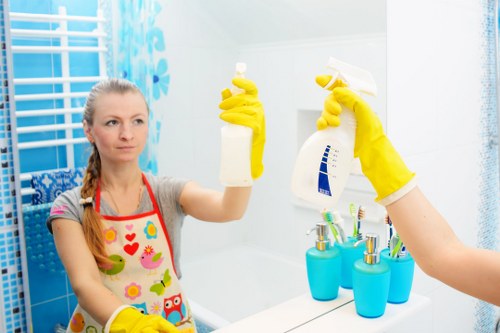
Furniture is used every day, which means it naturally collects dirt and contaminants. Unlike hard surfaces, upholstery has fibers, padding, and seams where particles can settle and remain hidden. Routine upholstery cleaning removes this buildup before it becomes deeply embedded. This improves the look of your furniture and helps reduce the amount of dust circulating in your home.
Upholstery cleaning also plays a major role in maintaining indoor air quality. Fabric furniture can trap allergens such as pollen, dander, and dust mites. When someone sits down, those particles can be released back into the air. For families with children, pets, or allergy sensitivities, regular upholstery cleaning can support a cleaner and more comfortable space.
Another important reason to invest in upholstery cleaning is to protect the furniture itself. Dirt acts like tiny abrasives that wear down fibers over time. Stains can become permanent if left untreated, and odors can settle into the padding. With proper upholstery cleaning, you can slow down this damage and keep your furniture looking vibrant for longer.
Common Problems Upholstery Cleaning Can Solve
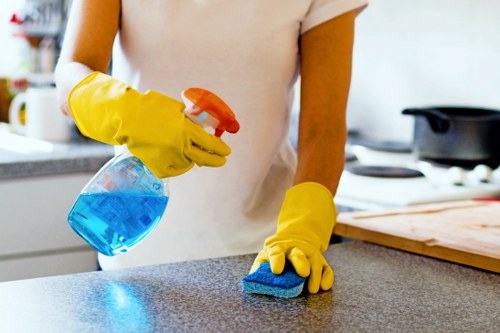
Upholstered furniture faces a wide range of everyday challenges. Spills, pet accidents, body oils, and general wear can all affect the fabric’s appearance and texture. Professional upholstery cleaning and consistent at-home maintenance can address many of these concerns before they become long-term problems.
Some of the most common issues include:
- Food and beverage stains
- Pet hair and pet odors
- Dust and allergen buildup
- Grease and body oils on armrests and headrests
- Mildew or musty smells in damp environments
- Fading and dullness from accumulated grime
These concerns are not just cosmetic. They affect how your furniture feels, how long it lasts, and how pleasant your living space is overall. Regular upholstery cleaning helps you stay ahead of these problems instead of reacting after damage has already set in.
How Upholstery Cleaning Works
Inspection and Fabric Identification
The first step in effective upholstery cleaning is understanding the fabric. Different materials require different cleaning methods. Cotton, microfiber, polyester, wool blends, velvet, leather, and synthetic fabrics all respond differently to moisture, heat, and cleaning solutions. A careful inspection helps determine the safest and most effective approach.
Technicians or homeowners should check manufacturer tags and cleaning codes where available. These codes may indicate whether the fabric can be cleaned with water-based products, solvent-based products, or only dry methods. Using the wrong method can cause shrinkage, water marks, or color bleeding, so identifying the material is a critical part of the upholstery cleaning process.
The inspection stage also reveals stains, weak seams, worn areas, and odor concerns. By evaluating the condition of the furniture first, the upholstery cleaning plan can be adjusted to protect delicate fabrics and target problem areas.
Pre-Treatment and Soil Release
Before deep cleaning begins, loose dirt and debris are often removed with vacuuming and pre-treatment. This step prepares the fabric by loosening grime from the fibers. Spot treatments may be applied to stains, high-traffic areas, or pet-related spots. The goal is to break down contaminants so they can be lifted more effectively during the cleaning stage.
Pre-treatment is especially important in upholstery cleaning because fabric fibers can hold onto residue that a simple wipe cannot remove. This is why a proper process usually works much better than home attempts with random sprays or excessive scrubbing.
At this stage, careful product selection matters. Some fabrics need gentle, pH-balanced solutions, while others can handle more intensive treatment. Matching the product to the material helps prevent damage while improving results.
Popular Upholstery Cleaning Methods

There is no single method that works best for every item. The right upholstery cleaning method depends on the fabric type, level of soiling, and the manufacturer’s recommendations. Understanding the major techniques can help you choose the most appropriate option for your furniture.
Hot Water Extraction
Hot water extraction, often called steam cleaning in casual conversation, is a popular method for many synthetic fabrics. It uses heated water and cleaning solution to loosen dirt, which is then extracted along with contaminants. This technique can be highly effective for deep cleaning, especially on heavily used sofas and chairs.
However, hot water extraction is not suitable for every upholstery type. Delicate fabrics, moisture-sensitive materials, and certain natural fibers may be damaged by excess water. That is why a professional upholstery cleaning service often begins with a fabric check before choosing this method.
Dry Cleaning Methods
Dry cleaning uses minimal moisture and relies on specialized solvents or compounds to lift dirt. This method is often preferred for delicate fabrics or items that could be damaged by water. It is especially useful when fast drying is a priority. In some homes, dry upholstery cleaning is the safest choice for luxury fabrics or older furniture with fragile construction.
Foam and Encapsulation Cleaning
Foam cleaning and encapsulation methods are commonly used for lightly to moderately soiled upholstery. These approaches use a controlled amount of product that traps and crystallizes dirt, making it easier to vacuum away. They can be efficient for maintenance cleaning and often involve less moisture than traditional extraction methods.
Leather-Specific Cleaning
Leather furniture requires a different approach from fabric upholstery cleaning. Leather should be cleaned with products designed to preserve its natural oils and prevent cracking. Gentle wiping, conditioning, and stain-safe treatments help maintain softness and sheen. While leather is durable, it still needs regular care to avoid drying out and fading.
Benefits of Professional Upholstery Cleaning
Although routine vacuuming and spot care are important, professional upholstery cleaning offers a deeper and more thorough level of maintenance. Skilled technicians have the tools, products, and knowledge to address dirt that builds up below the surface. For households with pets, children, or high use, this deeper approach can make a noticeable difference.
One major benefit is stain reduction. Professional upholstery cleaning can often remove spots that have resisted household cleaning efforts. While no method guarantees that every stain can be erased, the right process improves the chances of restoring the fabric’s original look.
Another benefit is odor removal. Furniture can absorb smells from cooking, smoke, pets, and everyday living. Instead of masking odors, upholstery cleaning targets the source. This helps create a cleaner-smelling environment that feels more welcoming.
Professional service can also extend furniture lifespan. By removing abrasive dirt and preventing fiber breakdown, upholstery cleaning reduces wear. Over time, that means better value from your investment and fewer reasons to replace furniture early.
Why Expert Care Often Delivers Better Results
Experienced upholstery cleaning technicians understand fabric behavior, stain chemistry, and moisture control. They know how to avoid over-wetting, discoloration, and residue buildup. For delicate or expensive pieces, that expertise can be particularly valuable. If you want the best balance of safety and performance, professional upholstery cleaning is often the most reliable solution.
Upholstery Cleaning at Home: Smart Maintenance Between Deep Cleans
Vacuum Regularly
One of the easiest ways to maintain clean furniture is to vacuum upholstery regularly. Use an upholstery attachment to remove dust, crumbs, and pet hair from cushions, seams, and crevices. Weekly vacuuming is ideal for high-use furniture, while lower-traffic pieces may only need attention every couple of weeks.
This small step can significantly improve upholstery cleaning results over time. By preventing debris from settling deep into the fibers, you reduce abrasion and keep the fabric looking brighter.
Blot Spills Immediately
When a spill happens, speed matters. Instead of rubbing the fabric, blot the area gently with a clean, absorbent cloth. Rubbing can spread the stain and push liquid deeper into the padding. For many stains, quick action can prevent permanent damage before full upholstery cleaning becomes necessary.
Use Fabric-Safe Products
Always test any cleaning solution on a hidden spot first. This is especially important for dyed or delicate fabrics. Even products marketed for upholstery can behave differently depending on the material. Choosing fabric-safe solutions helps avoid discoloration and texture damage.
Rotate Cushions and Rearrange Seating
Rotating cushions helps distribute wear more evenly. If one seat is used more often than others, it may show dirt and flattening sooner. Rotating and fluffing cushions extends the life of the upholstery and keeps the entire piece looking balanced.
How Often Should Upholstery Cleaning Be Done?
The right cleaning schedule depends on use, lifestyle, and fabric type. As a general rule, heavily used furniture benefits from upholstery cleaning every 6 to 12 months. Homes with pets, children, or allergy concerns may need more frequent attention. Less-used furniture can often go longer between deep cleans, though regular vacuuming should still continue.
Factors that may require more frequent upholstery cleaning include:
- Daily use of sofas and armchairs
- Homes with pets that shed or track dirt indoors
- Households with allergy or asthma concerns
- Light-colored fabrics that show stains easily
- High humidity or damp environments
Rather than waiting until furniture looks visibly dirty, it is better to follow a preventive schedule. Upholstery cleaning works best when it becomes part of routine home care instead of an emergency response.
Signs It Is Time for Upholstery Cleaning
If you are unsure whether your furniture needs attention, look for these signs:
- Visible stains or spots
- Musty or stale odors
- Dull, gray, or faded fabric
- Increased allergy symptoms in the room
- Sticky or greasy feel on armrests
- Pet hair that keeps returning after vacuuming
When these signs appear, upholstery cleaning can restore freshness and improve comfort quickly. Waiting too long often makes cleaning more difficult, especially when oils and spills have had time to bond with the fibers.
Choosing the Right Upholstery Cleaning Approach for Different Fabrics
Microfiber
Microfiber is popular because it resists staining better than many fabrics, but it still collects oils and dust. Upholstery cleaning for microfiber usually works best with gentle methods and careful drying. Too much water can leave marks, so the cleaning method should be matched closely to the fiber construction.
Cotton and Linen Blends
Cotton and linen blends are attractive and breathable, but they can be prone to wrinkling, staining, and shrinkage. Upholstery cleaning for these fabrics should be performed with caution. Spot testing is essential, and professional treatment may be the safest option for valuable pieces.
Velvet
Velvet has a luxurious appearance, but it requires special handling because the nap can be crushed or distorted. Careful vacuuming and specialized upholstery cleaning methods are usually recommended. Harsh brushing or excessive moisture can ruin the texture, so precision matters.
Synthetic Blends
Many modern sofas and chairs use synthetic blends that are relatively durable and easier to clean. These fabrics often respond well to standard upholstery cleaning techniques. Even so, manufacturers’ instructions should still guide the process to prevent unexpected damage.
Leather
Leather should not be treated like fabric upholstery. It needs gentle cleaners, soft cloths, and conditioning products that preserve flexibility. Regular leather care prevents cracking and keeps the material looking polished. While the term upholstery cleaning is often used broadly, leather maintenance deserves its own tailored routine.
Practical Tips to Keep Upholstered Furniture Looking Its Best
Consistent care can make upholstery cleaning easier and more effective. The key is to prevent dirt from settling deeply and to deal with small problems before they become major ones. A few simple habits can go a long way in protecting your furniture.
Daily and Weekly Habits
- Vacuum high-use furniture weekly
- Keep food and drinks away from fabric when possible
- Use washable throws or slipcovers in busy areas
- Fluff cushions to maintain shape and airflow
- Address spills immediately
Longer-Term Protection
- Position furniture away from direct sunlight to reduce fading
- Use area rugs and doormats to reduce tracked-in dirt
- Trim pet nails to reduce snagging
- Schedule regular upholstery cleaning before buildup becomes visible
Prevention is always easier than restoration. When you combine everyday care with occasional deep upholstery cleaning, your furniture will look better, smell fresher, and last longer.
Why Upholstery Cleaning Is Worth the Investment
Upholstered furniture is one of the most visible and frequently used parts of a home. It contributes to comfort, style, and functionality every single day. Because of that, upholstery cleaning is not a luxury; it is a practical part of household maintenance. The cost of cleaning is often far less than replacing a worn or damaged sofa, chair, or sectional.
In addition to protecting your investment, upholstery cleaning supports a more enjoyable living space. Fresh fabric feels cleaner to sit on and improves the overall atmosphere of the room. Whether you are preparing for guests, refreshing a family room, or simply maintaining a tidy home, clean upholstery makes a strong difference.
Many people notice that after professional upholstery cleaning, their furniture looks brighter and the whole room feels updated. That visual improvement alone can be enough to enhance your home without major changes or renovations. If your goal is to maintain a healthy and attractive home, upholstery cleaning should be a regular priority.
Final Thoughts on Upholstery Cleaning in Everyday Living
Upholstery cleaning is one of the smartest ways to protect the furniture you use most often. It removes hidden dirt, helps reduce allergens, supports a fresher indoor environment, and keeps your seating looking more inviting. Whether you choose professional service or follow a careful maintenance routine at home, the benefits are clear.
By understanding fabric types, cleaning methods, and proper care habits, you can make better decisions for your furniture. Regular upholstery cleaning is a simple habit with lasting value. It keeps your home cleaner, your furniture more comfortable, and your investment better protected.
If your sofa, chairs, or other upholstered pieces are overdue for attention, take action today. Book your service now or contact us today to keep your furniture looking its best and your home feeling refreshed.
Quick Recap
Upholstery cleaning is essential for cleanliness, comfort, and long-term furniture care. With the right method and regular upkeep, even high-traffic furniture can stay attractive for years.