House Cleaning in Your Area: Practical Tips, Smart Scheduling, and Cleaner Living
House cleaning is more than a chore. It shapes the way a home feels, functions, and supports daily life. Whether you live in a busy household, manage a small apartment, or want to keep a larger property looking its best, house cleaning helps create a healthier, calmer, and more organized environment. Many people search for house cleaning services when they want dependable help, but understanding how house cleaning works can also make it easier to maintain a spotless home between professional visits.
From routine dusting to deep cleaning, every task plays a role in keeping surfaces fresh and spaces inviting. A consistent house cleaning routine can reduce clutter, improve indoor air quality, and make it easier to relax after a long day. It also helps preserve furniture, flooring, and appliances over time. If you have ever felt overwhelmed by messes building up, a structured house cleaning approach can make a major difference.
In this article, we’ll explore what house cleaning includes, why it matters, how to organize your cleaning schedule, and which methods work best for different spaces. You’ll also find practical tips for kitchens, bathrooms, bedrooms, living areas, and high-touch surfaces. If you are considering professional house cleaning, you’ll learn what to expect and how to choose the right type of service for your home.
Why House Cleaning Matters for Every Home

House cleaning is not only about appearance; it directly affects comfort, hygiene, and long-term maintenance. A clean home feels more welcoming and often makes daily routines easier to manage. When surfaces are dust-free, floors are tidy, and clutter is under control, the entire household tends to run more smoothly.
Regular house cleaning also supports better indoor air quality. Dust, pet dander, pollen, and other particles can build up quickly, especially in homes with children or animals. By vacuuming, wiping, and disinfecting properly, you can reduce these irritants and create a fresher indoor environment. For many families, that means fewer allergy triggers and a more pleasant place to live.
Another important benefit of house cleaning is prevention. Small messes often become bigger problems if ignored. Spills can stain floors, soap scum can harden in bathrooms, and kitchen grease can become difficult to remove over time. Staying ahead of cleaning tasks protects your home and saves time in the long run.
How a Clean Home Supports Daily Life
Clean spaces influence mood and productivity. When rooms feel orderly, it becomes easier to focus, cook, rest, and entertain. This is why many people view house cleaning as part of self-care rather than a burden. A neat environment can reduce stress and help create a sense of control in a busy schedule.
House cleaning also helps households stay prepared for guests, unexpected events, or routine inspections. Even if you only have a short amount of time each week, a consistent plan can keep your home in good shape. The key is creating a system that matches your lifestyle instead of trying to do everything at once.
In other words, house cleaning is both practical and empowering. It improves the look of your home while also supporting healthier habits and smoother routines.
What House Cleaning Typically Includes
House cleaning can range from light upkeep to full deep cleaning. The exact tasks depend on your home, your priorities, and whether you are cleaning on your own or hiring a service. Still, most house cleaning routines include a similar set of basic tasks.
Standard house cleaning often focuses on visible surfaces and high-traffic areas. This can include vacuuming carpets, sweeping and mopping floors, wiping countertops, dusting furniture, cleaning sinks, and taking out trash. In many homes, these tasks are done weekly or biweekly to keep dirt and debris from building up.
Common house cleaning tasks include:
- Dusting shelves, baseboards, and decorative surfaces
- Vacuuming rugs, carpets, and upholstered furniture
- Mopping hard floors
- Cleaning kitchen counters and appliance exteriors
- Scrubbing toilets, tubs, and sinks
- Sanitizing door handles, switches, and other touchpoints
- Emptying bins and replacing liners
Deep Cleaning vs. Regular Cleaning
Regular house cleaning keeps the home tidy and manageable, while deep cleaning targets buildup in less visible areas. Deep cleaning may include baseboards, behind appliances, inside cabinets, grout lines, ceiling fans, vents, and detailed bathroom scrubbing. This is especially useful after a move, before hosting, or when a home has not been thoroughly cleaned in a while.
Many homeowners use a mix of both. Routine cleaning prevents messes from getting out of hand, while deep cleaning restores freshness and tackles hidden dirt. If you want your home to stay consistently clean, both approaches matter.
Professional house cleaning services often offer customizable packages, allowing you to choose between standard upkeep and more detailed cleaning based on your needs.
Creating a House Cleaning Schedule That Works
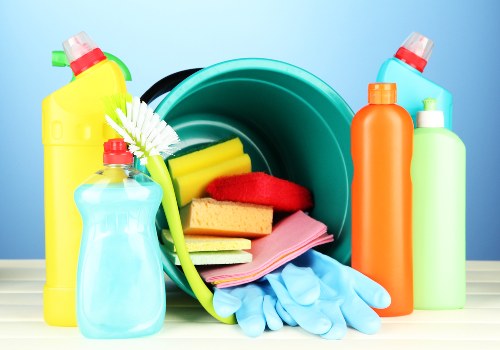
One of the most effective ways to stay on top of house cleaning is by creating a schedule. A structured plan breaks big tasks into smaller steps, which makes the work feel more manageable. Instead of cleaning everything in one exhausting session, you can spread tasks across the week.
A good house cleaning schedule should reflect the size of your home, the number of people living there, and your personal routine. A busy family may need more frequent cleaning than a single-person household, while homes with pets may require extra vacuuming and dusting.
Here is a simple example of a weekly house cleaning plan:
- Monday: Dust living areas and clean surfaces
- Tuesday: Vacuum carpets and mop floors
- Wednesday: Clean bathrooms
- Thursday: Wipe kitchen appliances and counters
- Friday: Tidy bedrooms and change bedding
- Saturday: Do laundry and declutter shared spaces
- Sunday: Light touch-up cleaning and reset for the week
Daily Habits That Reduce Cleaning Stress
Small daily habits make house cleaning easier overall. Putting items back where they belong, wiping spills immediately, and running the dishwasher after meals can prevent mess from piling up. These habits do not take much time, but they can dramatically improve how clean your home stays.
It also helps to keep cleaning supplies in convenient places. When products and tools are easy to access, you are more likely to handle minor tasks right away. For example, storing disinfecting wipes in the kitchen and bathroom can encourage quick cleanup after use.
A realistic schedule is better than an ambitious one you never follow. The goal of house cleaning is consistency, not perfection.
Room-by-Room House Cleaning Strategies
Different rooms require different cleaning priorities. A smart house cleaning routine pays attention to how each space is used. Kitchens need grease control, bathrooms need disinfection, bedrooms need dust management, and living rooms need regular surface care. By tailoring your approach, you can clean more efficiently and thoroughly.
Kitchen House Cleaning Tips
The kitchen is often the busiest area in a home, which means it can collect crumbs, spills, grease, and fingerprints quickly. Start by clearing counters, wiping appliance surfaces, and sanitizing sinks. Pay attention to handles, backsplash areas, cabinet fronts, and the stovetop. These spots often collect residue that can be overlooked during fast cleaning sessions.
Kitchen cleaning priorities include:
- Remove food debris from counters and floors
- Clean the sink and faucet
- Wipe cabinet doors and appliance exteriors
- Disinfect high-touch surfaces
- Sweep and mop the floor
Bathroom House Cleaning Tips
Bathroom house cleaning should focus on hygiene and freshness. Scrub toilets, sinks, showers, and tubs regularly to prevent buildup from soap, hard water, and bacteria. Mirrors, faucets, and countertops should also be wiped to remove water marks and smudges. If your bathroom has tile grout, a more detailed scrub may be needed from time to time.
Bathrooms benefit from frequent attention. Even a short weekly cleaning routine can make a major difference in how sanitary and comfortable the space feels.
Bedroom House Cleaning Tips
Bedrooms should feel restful, which is why dusting and clutter control are especially important. Make the bed, vacuum floors, and clear surfaces like nightstands and dressers. Washing bedding regularly also contributes to better sleep and a cleaner atmosphere. If wardrobes or storage areas become overloaded, set aside time to organize them before mess spreads into the rest of the room.
Living Room House Cleaning Tips
Living rooms often serve as gathering spaces, so they need both visual tidiness and regular dust removal. Wipe tables, vacuum upholstery, clean under cushions, and manage clutter such as remote controls, magazines, and toys. Pay attention to screens, shelves, and decorative items that attract dust over time.
House cleaning becomes easier when every room has a clear purpose and a clear place for items. Good organization supports good cleaning, and good cleaning supports a more comfortable home.
Tools and Supplies That Make House Cleaning Easier

The right tools can simplify house cleaning and improve results. While you do not need a huge collection of products, a few reliable items can help you clean faster and more effectively. Choosing quality supplies also reduces the frustration of using ineffective tools that leave streaks, residue, or missed spots.
Most homes benefit from having a basic cleaning kit that includes microfiber cloths, a vacuum cleaner, a mop, a bucket, sponges, scrub brushes, disinfectant, glass cleaner, and an all-purpose solution. Depending on your home, you may also want specialized products for stainless steel, wood, tile, or upholstery.
Helpful house cleaning tools often include:
- Microfiber dusters for dust removal
- Vacuum attachments for corners and furniture
- Rubber gloves for chemical protection
- Spray bottles for diluted solutions
- Scrub brushes for grout and tough stains
- Trash bags and storage bins for decluttering
Choosing Safer Cleaning Products
Many homeowners prefer products that are effective but also safe for children, pets, and sensitive surfaces. Reading labels and following instructions is essential. Using too much product can leave residue behind, while mixing chemicals can be dangerous. If you prefer a greener approach, consider gentle formulas or natural alternatives that work well for everyday cleaning.
It is also wise to test any new cleaner on a small, hidden area first. This is especially important for wood, marble, or delicate finishes. House cleaning should improve your home, not damage the materials in it.
Smart product choices save time, protect surfaces, and support a better cleaning routine.
When Professional House Cleaning Makes Sense
While many people handle routine upkeep themselves, professional house cleaning can be a strong option when time, energy, or attention to detail becomes limited. Busy professionals, families with packed schedules, older adults, and homeowners preparing for special events often turn to trained cleaners for support. Professional house cleaning can also be useful after renovations, seasonal changes, or major life transitions.
One advantage of hiring house cleaning help is consistency. A trained cleaner follows a structured process and often notices details that are easy to miss. This can include dust in corners, buildup on fixtures, and areas that need deeper attention. If your home has been feeling difficult to manage, a recurring service may be the right solution.
Professional house cleaning may be a good fit if you want:
- More free time during the week
- Support with deep cleaning tasks
- Regular maintenance for a busy household
- Help keeping high-traffic areas in order
- A cleaner home without the stress of doing it all yourself
How to Decide What Service Level You Need
Different homes need different types of cleaning support. Some households only need occasional visits for deep cleaning, while others benefit from weekly or biweekly maintenance. Consider your schedule, budget, and how quickly mess tends to build up. You may also want to think about any special concerns, such as pets, allergies, or hard-to-clean surfaces.
Before choosing a service, it helps to create a list of priorities. Decide which tasks matter most and what you want included in a routine visit. That way, the service can be tailored to your needs rather than following a generic approach.
If you are ready to simplify your routine, book your service now and enjoy a home that feels cleaner, fresher, and easier to manage.
Common House Cleaning Mistakes to Avoid
Even with the best intentions, some cleaning habits can slow you down or reduce the quality of your results. Avoiding a few common mistakes can help make house cleaning more efficient and effective. One frequent issue is cleaning in the wrong order. Dusting after vacuuming, for example, can cause dirt to settle back onto floors you just cleaned.
Another mistake is using too much product. Excess cleaner can leave sticky residue, streaks, or buildup on surfaces. It is usually better to use the recommended amount and allow the product enough time to work. Skipping high-touch areas is another common problem. Light switches, handles, and remote controls are often missed even though they are used constantly.
Other cleaning mistakes to avoid include:
- Using the same cloth for multiple rooms without rinsing
- Ignoring dust in corners, vents, and under furniture
- Waiting too long to clean spills and stains
- Forgetting to clean tools like mop heads and vacuum filters
- Trying to rush through detailed areas
Build Better Cleaning Habits
Better habits lead to better results. Start with the most visible and high-use areas, then move to less noticeable spots. Keep your cleaning routine simple enough that it can be repeated regularly. Over time, this creates a home that stays cleaner with less effort.
House cleaning should work with your life, not against it. When the process is straightforward, it is much easier to keep up with.
How House Cleaning Improves Home Value and Longevity
Clean homes tend to hold their condition better over time. Regular house cleaning prevents buildup that can wear down finishes, stain materials, or create odors that are difficult to remove. Floors last longer when dirt is vacuumed away, bathrooms stay in better shape when moisture is managed, and kitchens remain more pleasant when grease and crumbs are handled consistently.
This matters whether you plan to stay in your home for years or may eventually sell it. A well-maintained home generally looks more appealing and can create a stronger impression. Even outside of resale considerations, the everyday value of a clean space is hard to overstate. It is easier to care for a home that is already being cared for.
House cleaning helps protect:
- Flooring and rugs
- Countertops and cabinetry
- Appliances and fixtures
- Furniture and upholstery
- Paint, trim, and wall surfaces
A Smarter Long-Term Approach
Think of house cleaning as maintenance rather than just a weekly task. The more regularly you care for your home, the less likely you are to face expensive or time-consuming repairs later. That is one reason many homeowners choose recurring cleaning support. It offers convenience now and helps preserve the home’s condition in the future.
Clean homes are easier homes. They are easier to enjoy, easier to organize, and easier to maintain.
Tips for Keeping House Cleaning Simple and Sustainable
The best house cleaning routine is one you can actually maintain. If your system feels too complicated, it is likely to fall apart when life gets busy. Start by focusing on the areas that matter most and build from there. A simple plan can often achieve better long-term results than a complex one.
Set realistic goals and use tools that save time. For example, keeping a small caddy of supplies in a central location can make quick cleanups easier. Decluttering regularly also reduces the amount of time you spend moving items around while cleaning. The less unnecessary stuff you have, the simpler the whole process becomes.
To keep house cleaning sustainable:
- Break tasks into daily, weekly, and monthly categories
- Use reliable supplies that fit your home’s surfaces
- Clean high-traffic areas more often
- Declutter before deep cleaning
- Ask for help when the workload feels too large
Making House Cleaning Feel Less Overwhelming
If you ever feel behind, begin with one room or one task instead of the entire home. Even small progress can make a noticeable difference and motivate you to continue. Another helpful approach is setting a timer for short cleaning sessions. Twenty minutes of focused effort can often accomplish more than an hour of distracted work.
For many households, the right combination is a simple routine plus occasional professional support. That balance helps keep the home presentable without constant stress.
Whether you handle everything yourself or prefer a service-based approach, the goal remains the same: a cleaner, calmer, more comfortable home. If you are ready to improve your routine, contact us today and explore the best house cleaning option for your needs.
House cleaning is one of the most practical ways to improve daily life. It keeps your surroundings fresh, supports healthier habits, and protects your home over time. With the right schedule, tools, and approach, cleaning does not have to feel overwhelming. A little consistency goes a long way, and even small improvements can make your space feel noticeably better.
Whether you are managing routine upkeep or considering professional house cleaning, the important thing is to create a system that works for you. Clean surfaces, organized rooms, and well-maintained spaces all contribute to a more enjoyable home. By staying proactive and making house cleaning part of your regular rhythm, you can enjoy the benefits every day.